Case Study:
Training the front lines.
Preparing for business as unusual.
Years before COVID-19 reshaped emergency response worldwide, public health leaders were already confronting how unprepared many systems were for pandemic conditions. Working within a national training consortium, we helped equip first responders across the United States with practical training for infectious disease response.
-
Following an Ebola outbreak in West Africa, it became clear that many emergency response systems across the United States were not fully prepared to operate safely during a large-scale infectious disease event. First responders were expected to protect their communities while navigating evolving public health guidance, unfamiliar protective equipment, and heightened personal risk.
In response, the National Institute of Environmental Health Sciences awarded Duke University a grant to establish a national training consortium focused on pandemic preparedness for frontline responders. George Mason University joined this effort to help translate infectious disease protocols into practical, field-ready training that responders could confidently apply in real-world conditions.
-
As part of the national pandemic preparedness consortium led by Duke University, I contributed to the development, delivery, and expansion of training designed to prepare first responders for infectious disease response scenarios. My role focused on translating complex public health guidance into accessible training materials while supporting curriculum development and national program visibility.
The work required collaboration with public health experts, emergency response professionals, and institutional partners to ensure training reflected both scientific guidance and real-world operational needs.
-
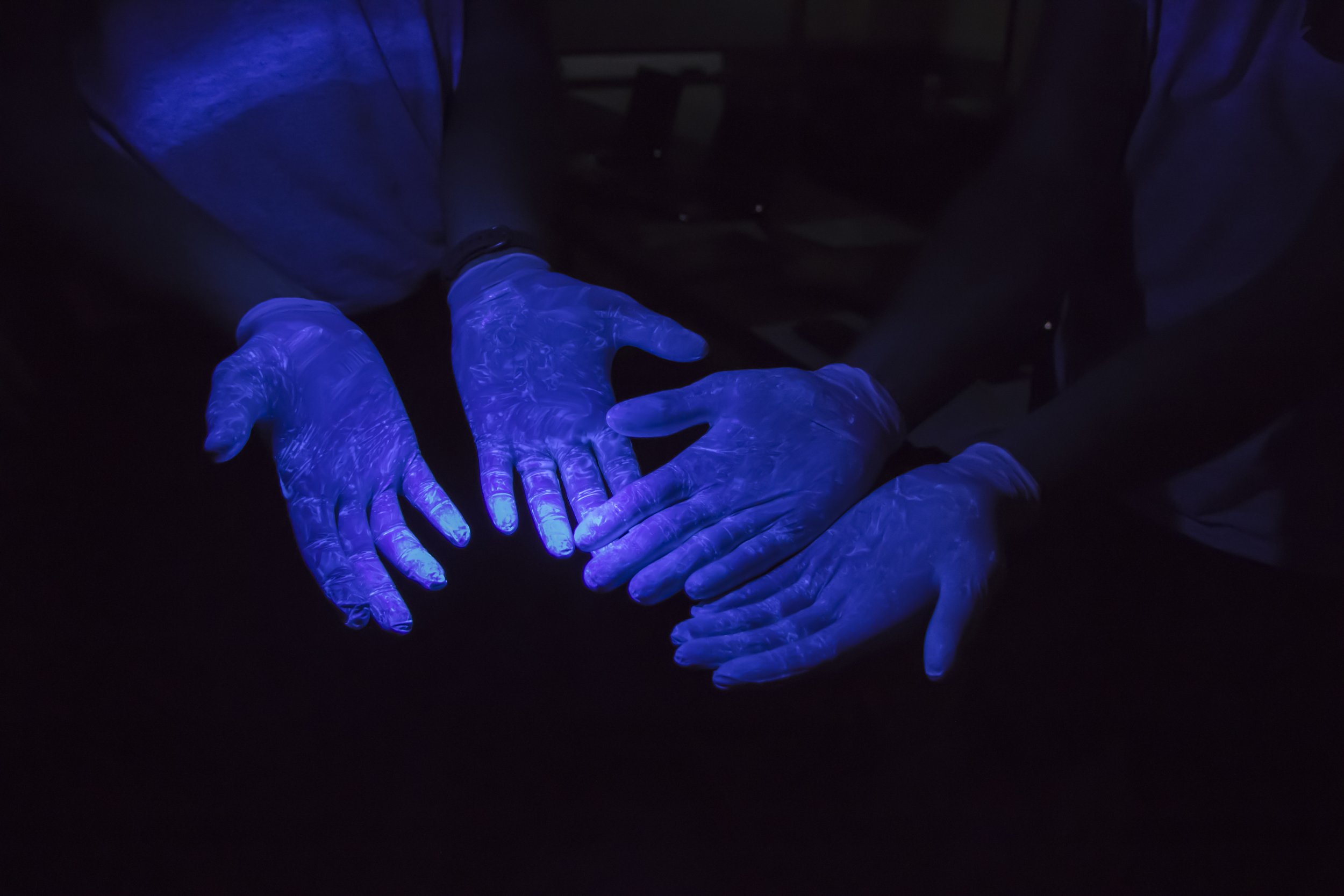
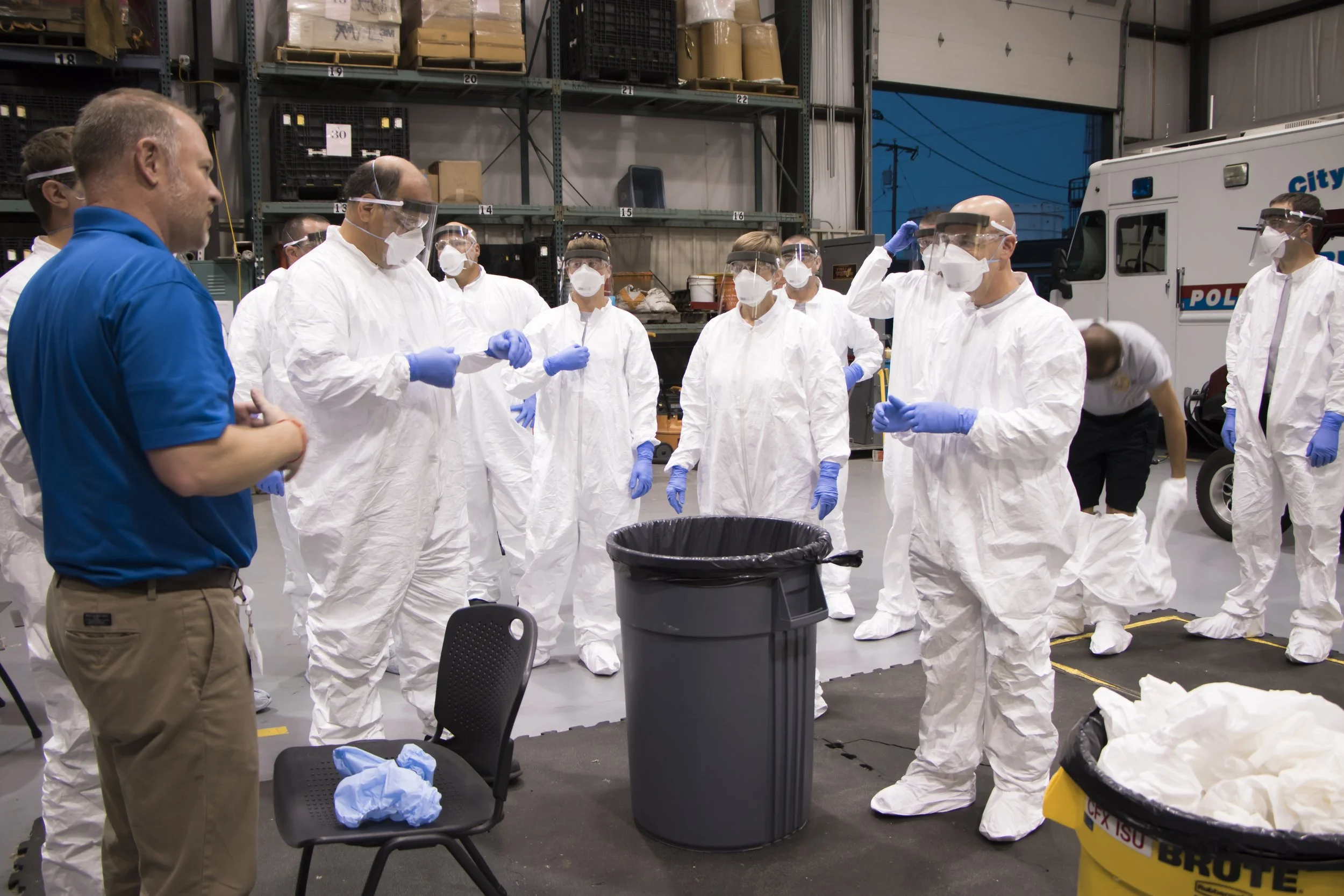
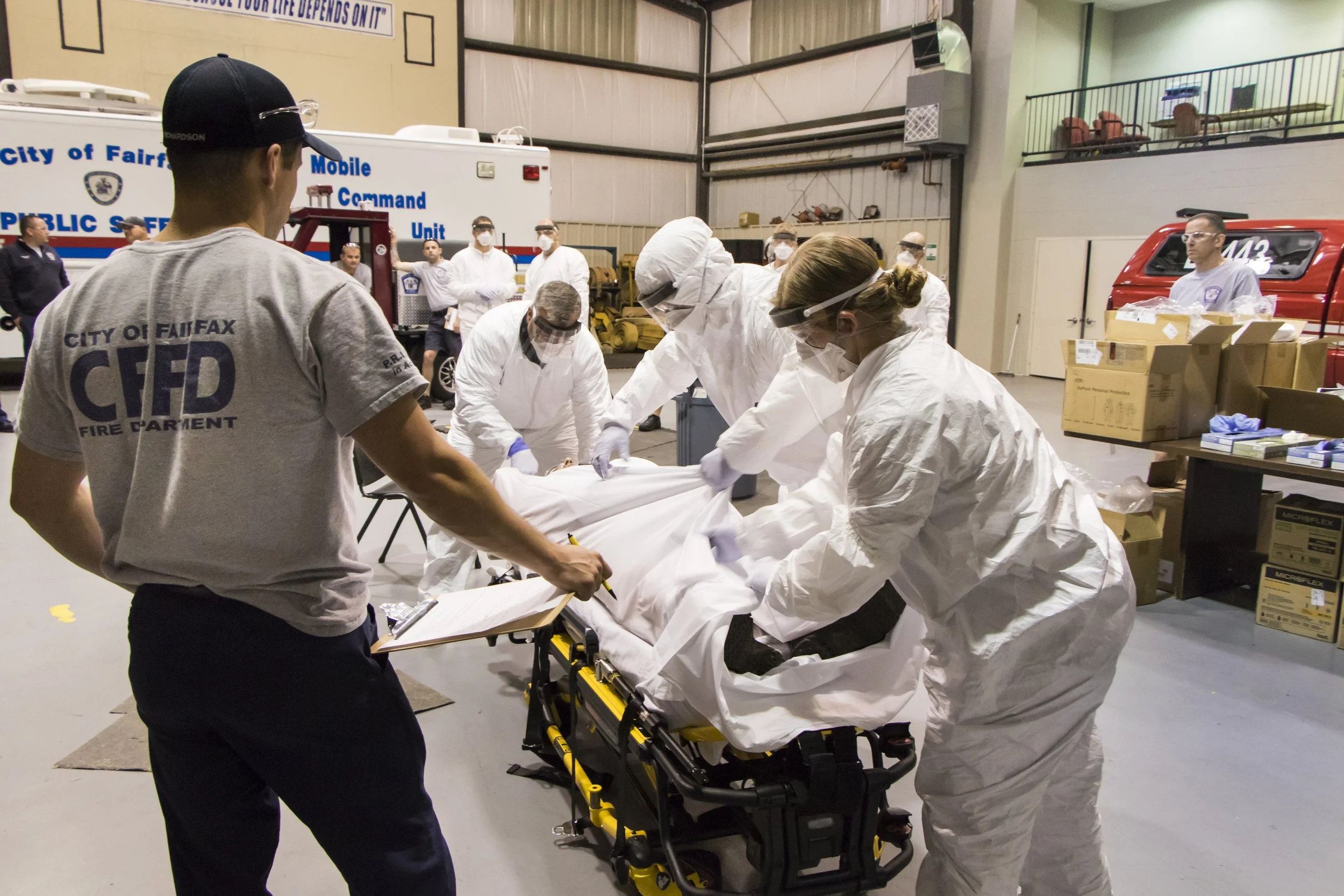
I produced training materials used nationally throughout the program, including visual infographics demonstrating proper personal protective equipment (PPE) donning and doffing procedures designed for high-risk infectious disease environments. These materials helped convert technical safety protocols into clear, repeatable practices responders could apply under pressure.
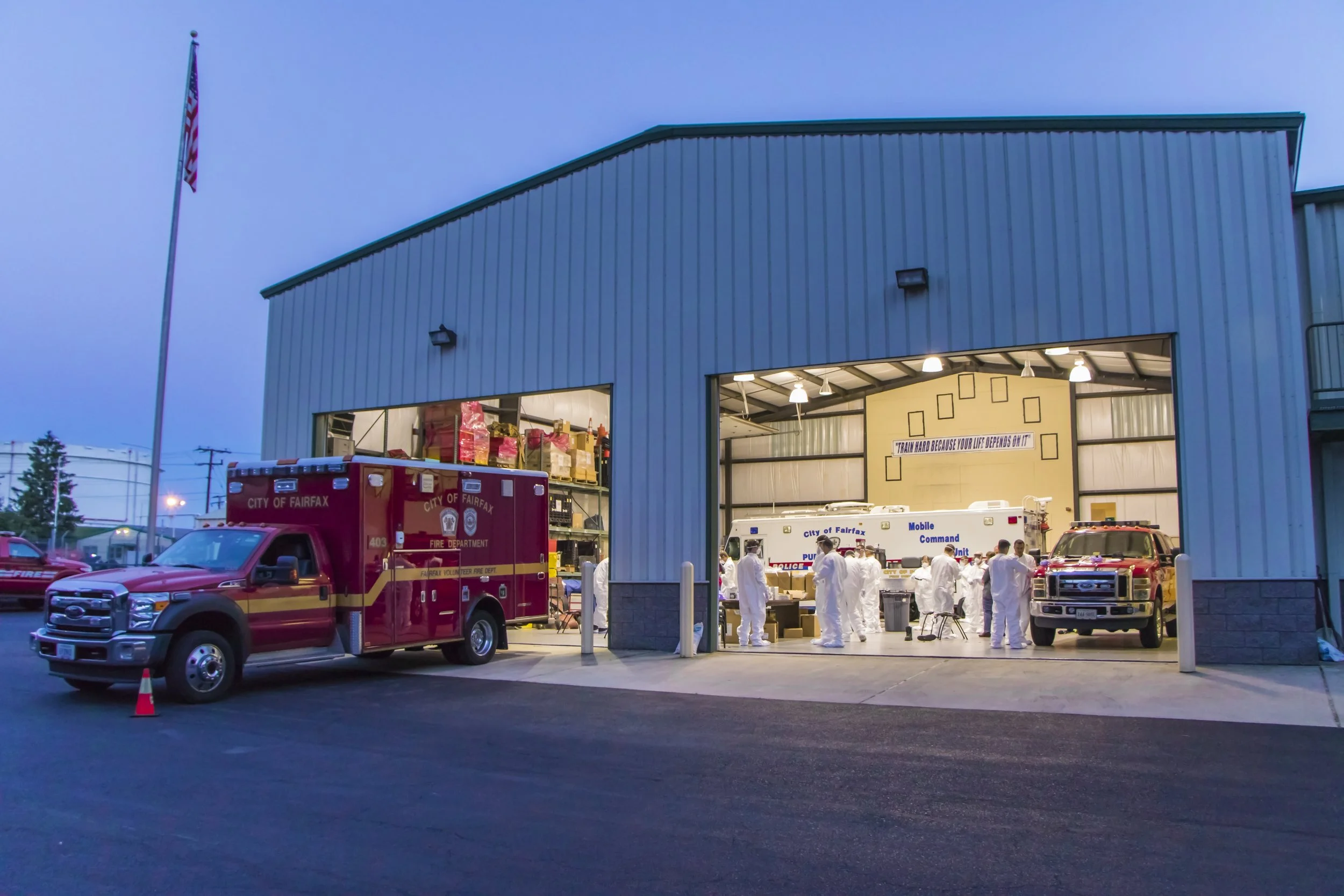
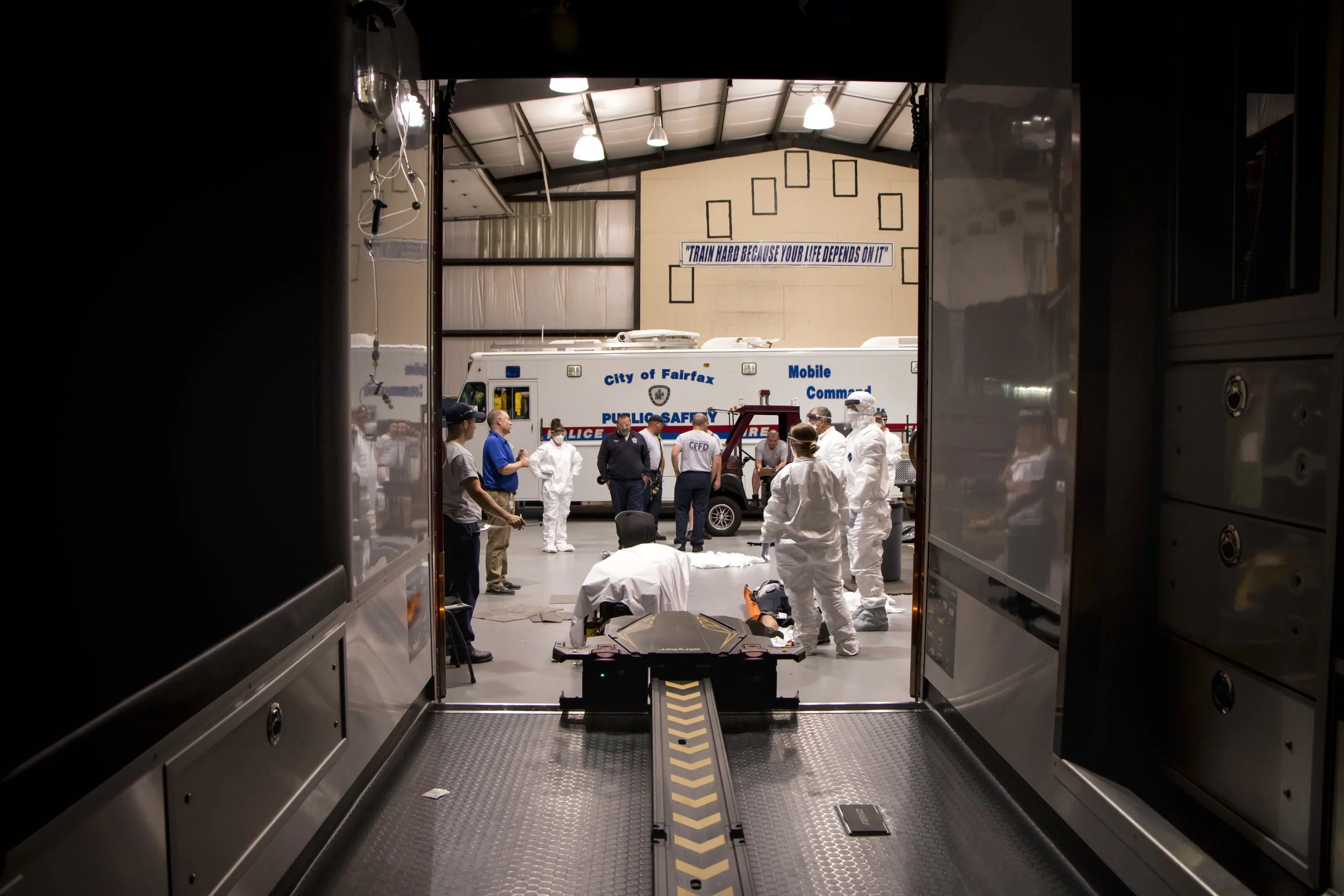
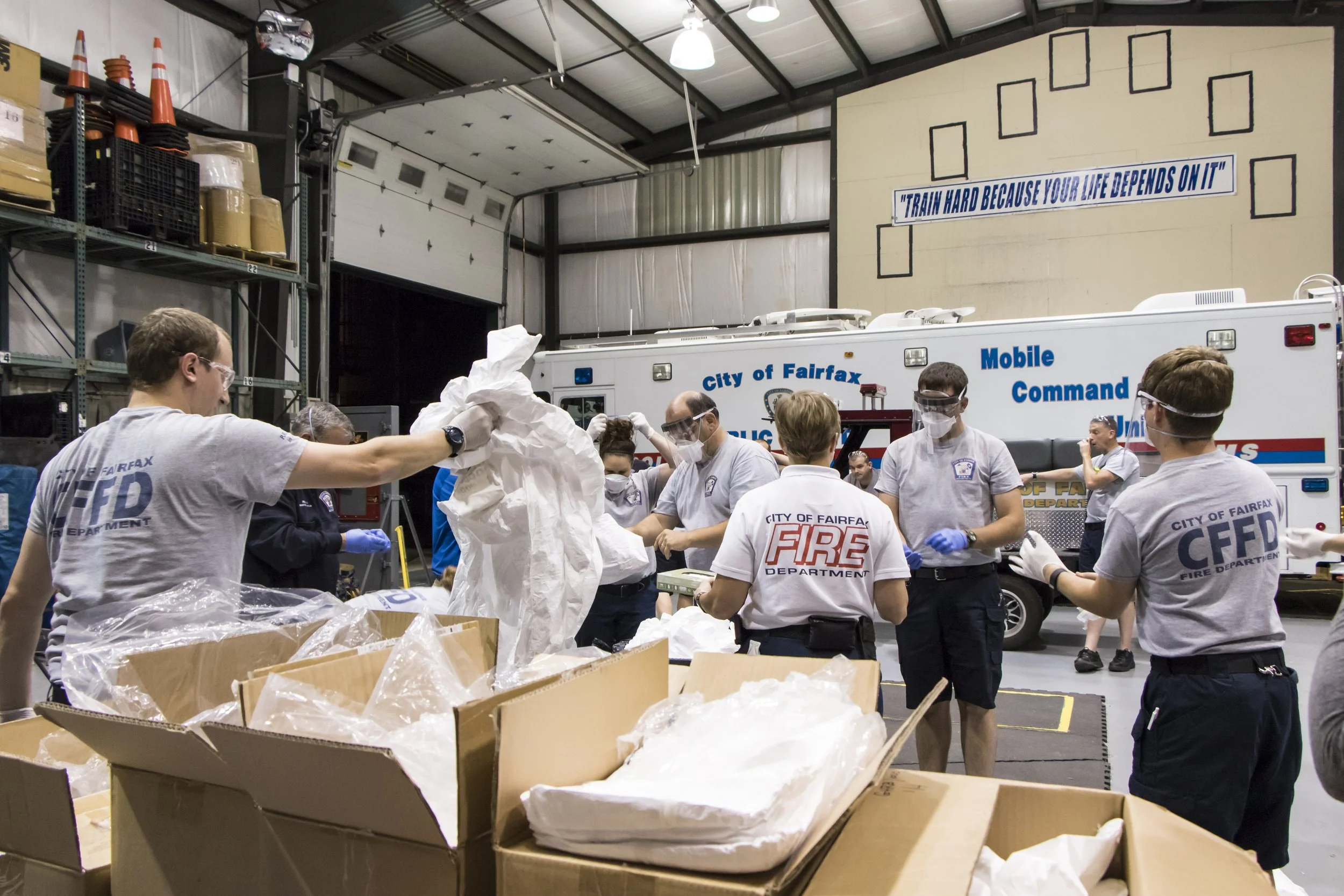
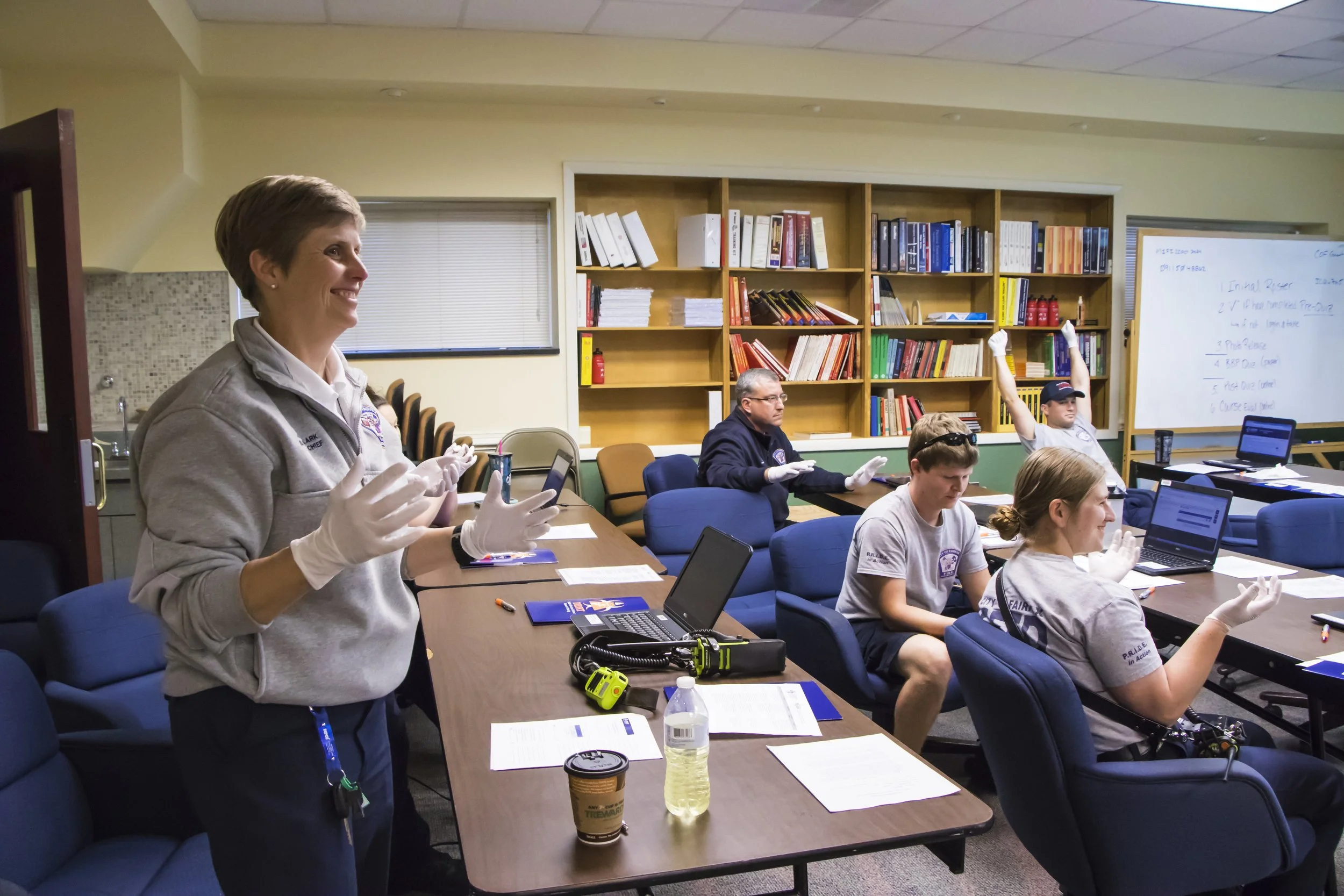
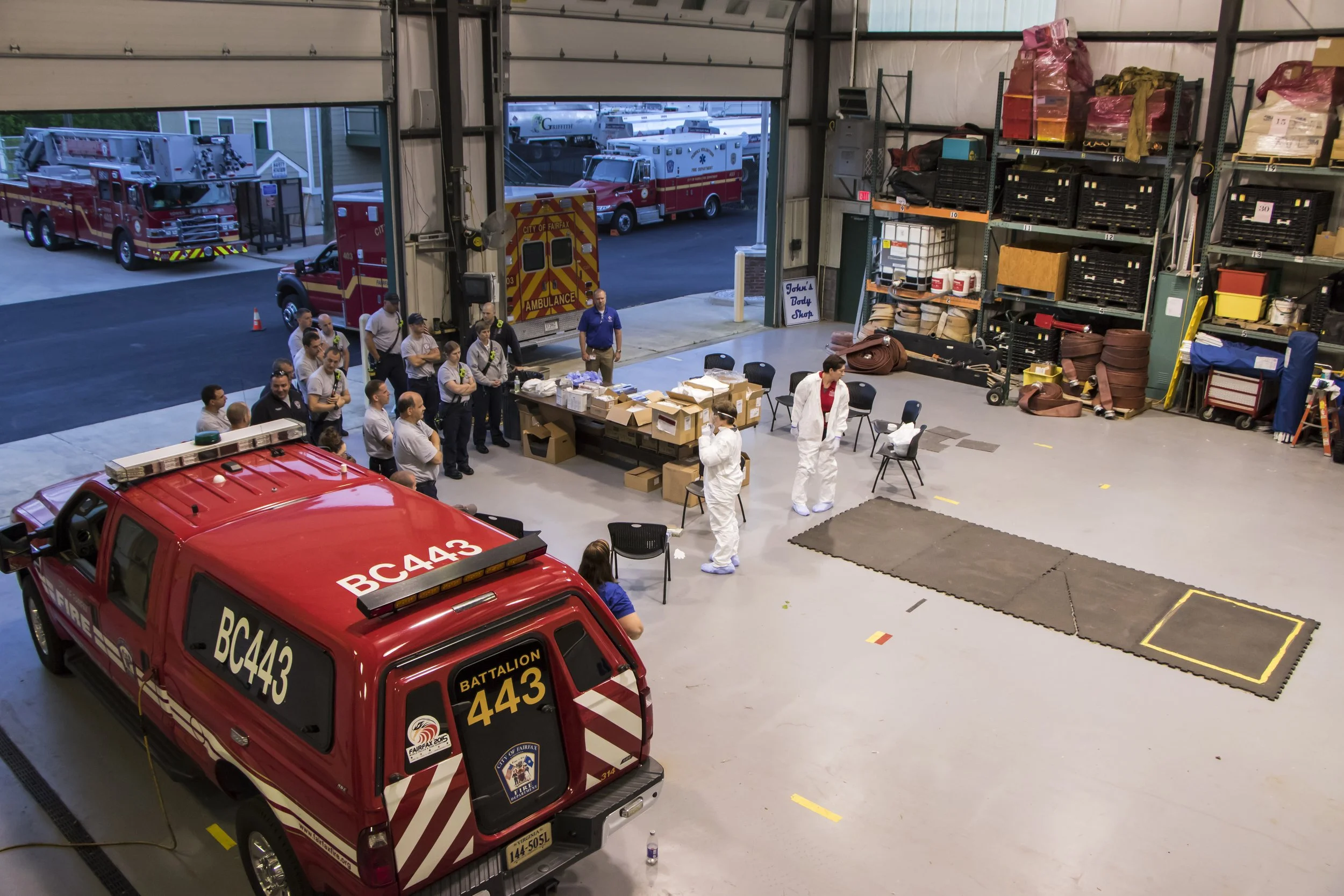
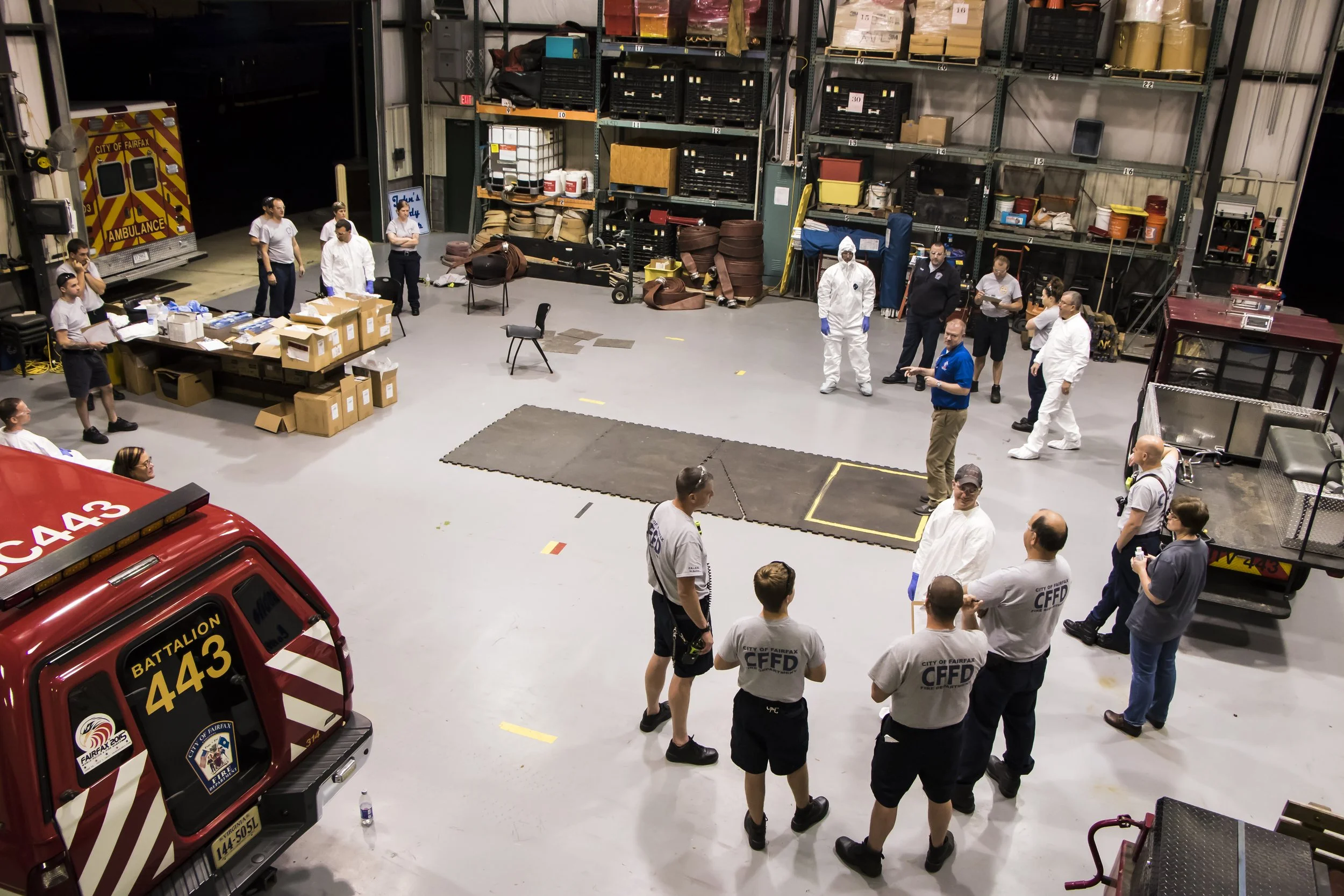
In addition to content development, I helped deliver live training sessions for first responders across the country, providing demonstrations, answering operational questions, and contributing input to the evolving curriculum as agencies shared field-based challenges and lessons learned.
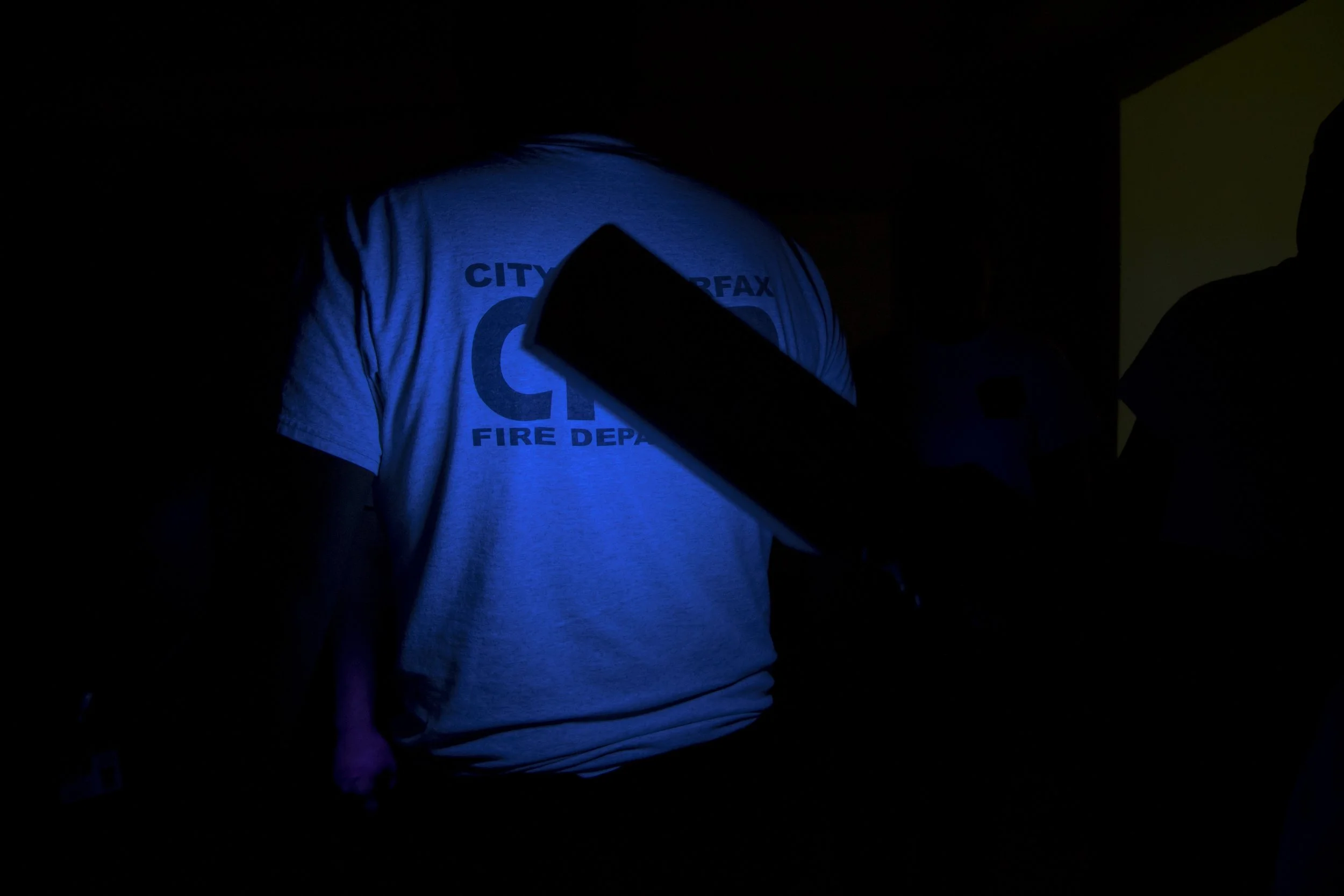
I also documented training events through photography used for program reporting and outreach, and supported media relations efforts with local and national outlets to raise awareness of the initiative and expand access to the training program nationwide.
-
Through this national initiative, our team helped train more than 1,500 first responders representing fire departments, law enforcement agencies, and emergency response organizations across the United States. Participants gained hands-on experience with pandemic safety procedures designed to reduce exposure risk during infectious disease response.
-
The training program strengthened frontline preparedness at a critical moment in national public health planning. When COVID-19 emerged several years later, many agencies had already received foundational training in pandemic response practices developed through this initiative, reinforcing the importance of early investment in preparedness and responder safety.